We’ve been informed of recent fraudulent impersonations of our CEO and our business. Please contact us directly to confirm or report any unsolicited communications.
Evaluating Spinal Cord Injury Patients for Potential Superior Mesenteric Disease
January 14
@
7:00 pm
–
8:00 pm EST
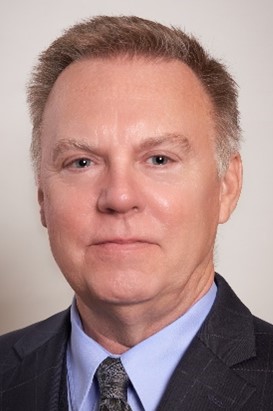
ULTRASOUND SOLUTIONS CORP. is excited to kick off our 2026 schedule by welcoming back Kevin D. Evans, PhD, MA, RDMS, RVS, FSDMS, FAIUM, Professor Emeritus and Academy Professor at The Ohio State University, for a captivating look at an ultrasonic study of spinal cord injury patients with possible Superior Mesenteric Artery disease.
Course Description:
Due to inherent digestive changes in spinal cord injury (SCI) patients, the need to assess vascular flow to the small intestines has diagnostic merit. Unfortunately, the diagnostic parameters that are published for clinical guidance are based on patients without injury or neurologic impairment. Therefore, the research question was: What was the post-prandial vascular flow in the superior mesenteric artery (SMA), within a cohort of SCI participants, compared to the published diagnostic parameters? This is a much larger study that is being conducted, however this preliminary data is fascinating and may help our sonography and vascular technology labs to consider the pitfalls that exist when evaluating these patients, given the current guidelines.(Approved for 1 SDMS CME credit, provided one is present for the entire event)
Course Objectives:Upon completion of this educational activity, the participant will be able to:
Describe the imaging protocol that is typically used to investigate the mesenteric vessels and how this is applied to spinal cord injury patients.
Discuss the variants encountered in conducting these studies, such as SMA-to-aortic angle, SMA-to-aortic distance, peak systolic and end diastolic velocities, as well as vessel diameters.
Consider the use of Doppler waveform morphology as an added assessment for these patients with impairments to the autonomic nervous system.
Identify the need to document length of spinal cord injury given the degradation of core skeletal muscles and associated vasculature, based on published research.
Review the importance of capturing data at baseline, 15, 30, 45, 60, and 90 minutes to detect velocity changes post-prandial in these patients.
About Our Speaker:
Kevin D. Evans, PhD, MA, RDMS, RVS, FSDMS, FAIUM,is Professor Emeritus and Academy Professor at The Ohio State University. He is also the Director of the Laboratory for Investigatory Imaging. Kevin was a Radiology Manager and practicing health care provider for over 20 years. Dr. Evans completed his PhD in 2004, started his research lab in 2007, and has had consistent funding from federal and state agencies, as well as private foundations. As a Principal Investigator (PI) or co-PI, Dr. Evans has been working on novel cardiovascular disease assessment measures, fighting the COVID-19 pandemic, and capturing imaging data to reduce musculoskeletal injuries.
Dr. Evans is the Editor-in-Chief of the Journal of Diagnostic Medical Sonography. He is also the Past Chair of the American Registry for Diagnostic Medical Sonography and the Past President of the Society of Diagnostic Medical Sonography and its Educational Foundation. Additionally, Dr. Evans is a past recipient of the Society of Ultrasound in Medical Education’s Legacy Award and the AIUM Distinguished Sonographer Award.
This activity is an approved SDMS CME activity – approved for 1.0 SDMS CME credit.
Please note that partial credit will not be issued.
The CME participant roster will be reported by Ultrasound Solutions Corp. to the
SDMS CME Tracker System.
Important update from the SDMS:
SDMS no longer allows its CME providers to issue Partial Credit for attendance. If you join late or leave early, the SDMS will no longer permit us to award partial pro-rated credit.
Therefore, from now on, in order to receive CME credit, you must be in attendance for the ENTIRE event via your own unique Zoom link that Zoom emailed to you when you registered. Then, and only then, will USC be able to award you any credit. So, please be prompt and attentive to the time schedule. We apologize for any inconvenience, but again, this is a new SDMS policy we must abide by. Thank you for understanding.
We’ve been informed of recent fraudulent impersonations of our CEO and our business. Please contact us directly to confirm or report any unsolicited communications.